
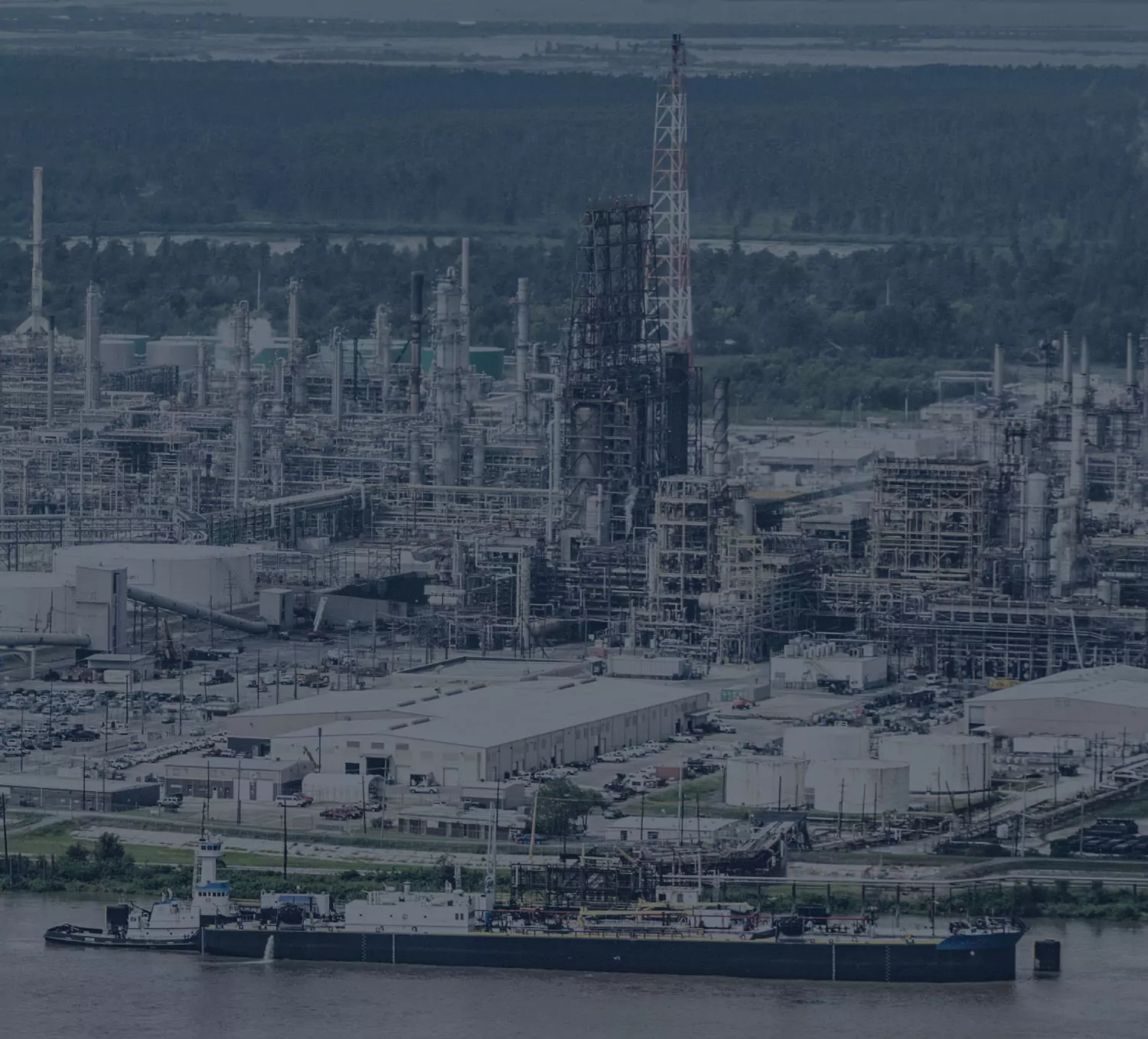
We’re Blowing the Lid Off Plastic’s Toxic Lifecycle
Every day, millions of packages are shipped in lightweight, white blocks of expanded polystyrene – commonly known as styrofoam. From production to disposal, this plastic foam can pollute our air, water, and soil. The impacts of plastic foam aren’t felt equally – they often disproportionately fall on low-income neighborhoods and communities of color. Safer alternatives exist. Demand change now.
Packaging Polluter: Whirlpool’s KitchenAid
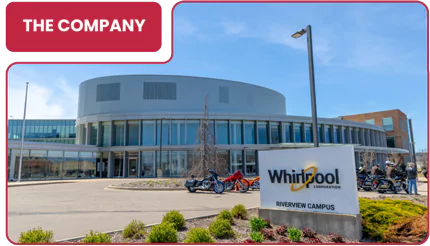
Whirlpool Corporation. Whirlpool, an American company based in Michigan, is the largest appliance manufacturer in North America. KitchenAid is one of its most popular brands. More than 2.5 million KitchenAid stand mixers are made in Ohio every year.
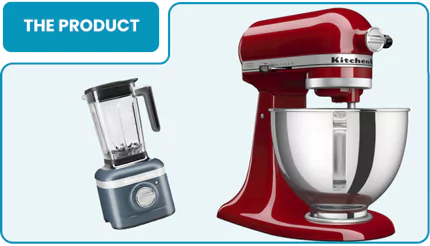
The problem is in the packaging. Many KitchenAid products are shipped in boxes packed with plastic foam. EPS foam is not recycled at scale. Three substances that can increase cancer risk are emitted when the chemicals used to make the foam are produced.
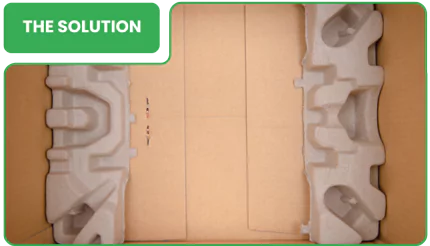
Safer alternatives already exist. There’s no excuse. Molded fiber, corrugated cardboard, and biobased foam are effective packaging substitutes that are already used by other home goods companies. All are recyclable or compostable. See more.
Stories from Community Leaders

“Styrene packaging perpetuates Cancer Alley’s air pollution burden on Black communities. Alternative materials exist. Choosing them is an act of environmental justice that protects fenceline families from generational harm caused by needless pollution.”
Founder and Executive Director
Deep South Center for Environmental Justice

“I live in Donaldsonville between two chemical plants that make styrene. I’m concerned about cancer-causing air emissions. Instead of more plastic pollution, we should be investing in businesses that can’t compromise our health.”
President & Founder
Rural Roots Louisiana

“I’ve seen my kids struggle with asthma, eczema, headaches, and other illnesses. Plastics manufacturing plants pollute the water we drink and the air we breathe. Enough is enough. These corporations must end their use of plastics.”
Founder, Director, & CEO
Vessel Project of Louisiana

“It’s time for brands to lead by ending use of styrofoam. No community should face air emissions of cancer-causing plastic chemicals like styrene when safer, affordable packaging options are readily available.”
Senior Director of Programs and Strategy
Toxic-Free Future

“The Houston Ship Channel has three styrene facilities. Our communities are exposed to industrial pollution. Beyond the asthma of today, we’re concerned about developmental, neurological, and reproductive harms that may be felt for generations.”
Shiv Srivastava, Policy Director
Fenceline Watch