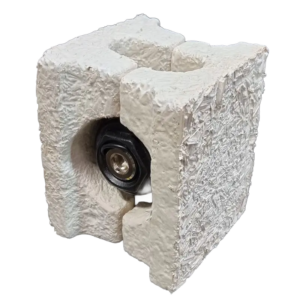
Packaging Pioneers & Polluters
Corporate consumers are the major drivers of the plastic pollution crisis. They often don’t give you a choice. In most cases, you can’t even tell what packaging they use until you open the box. That’s why we’ve researched the best and worst practices for you among the major manufacturers of small kitchen appliances and large retailers that we reviewed. View our full report here.
Packaging Pioneers

Now owned by Haier Group Corporation, a Chinese multinational home appliance and electronics firm, GE Appliances pledged in 2023 to eliminate EPS foam packaging from all finished goods by 2030.

The Breville Group Ltd. sells high-end kitchen and cooking appliances. Breville committed to eliminate EPS foam from consumer packaging by July 2025 as part of Australia’s National Plastics Plan.

Target markets small kitchen appliances under its Tabitha Brown brand. For private brands, they pledged to phase out EPS foam by 2022, replacing it with recyclable, reusable, or compostable packaging by 2025.

Global product design and technology company SharkNinja, Inc. sells small kitchen appliances under its Ninja brand. In 2023, they pledged to phase out EPS plastic foam in 25% of Ninja units by 2025.

An Italian up-market appliance company – Smeg – launched an “EPS-ban” project in 2023 to meet bans in France and Australia by 2025, after reducing polystyrene use by 15% since 2021 to 1.3 million kilograms.

The beverage giant Keurig Dr. Pepper also sells Keurig brand coffee makers and other beverage brewing systems. In 2023, KDP set a goal to convert 100% of its packaging to recyclable or compostable by 2025.

Nestlé S.A., the Swiss food giant, owns the Nespresso brand of coffee and espresso makers. Nestlé pledged to eliminate EPS packaging. Nearly 90% of all its packaging was recyclable, reusable or compostable in 2024.
Packaging Polluters

Whirlpool Corporation packs its popular KitchenAid brand stand mixers in EPS plastic foam in the U.S. The company reported some progress for other products but has not set a public timeline for eliminating EPS foam.

The popular food processor Cuisinart comes packed in styrofoam. Its U.S.-based owner, Conair Corporation, sells small appliances and personal care products but has no public goal to phase out EPS foam.

The NY-based “trend-forward” small kitchen appliance company, Made by Gather, packs its bella and KitchenSmith by bella brands with EPS foam but has no public phase-out goal or policies.

The NJ-based RJ Brands sells small kitchen appliances under its Chefman brand. Its grills are packed with EPS foam. The company has no public packaging policies or sustainability commitments.
The small kitchen appliance maker Mirama Enterprises, Inc. sells rice cookers packed with EPS foam under its Aroma brand. The company has no public phase-out plans to switch to existing alternatives.

NY-based Gourmia sells small kitchen appliances made in China, including a popular U.S. brand of air fryers. It packs many of its products with EPS plastic foam and has no public phase-out goal or policy.

Chinese-based smart appliance company VeSync Co., Ltd. sells air fryers packaged with EPS plastic foam under its Cosori brand. The company has no sustainability reports or public EPS phase-out goals.
What’s in Your Box?
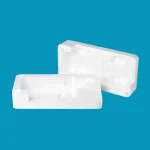
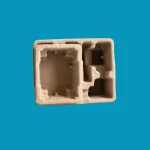
When you open that box holding your new kitchen appliance, electronic gadget, or other product, what’s the packaging you see? If it’s a hard white foam with the number 6, you’re looking at expanded polystyrene (EPS) plastic, commonly known as styrofoam.
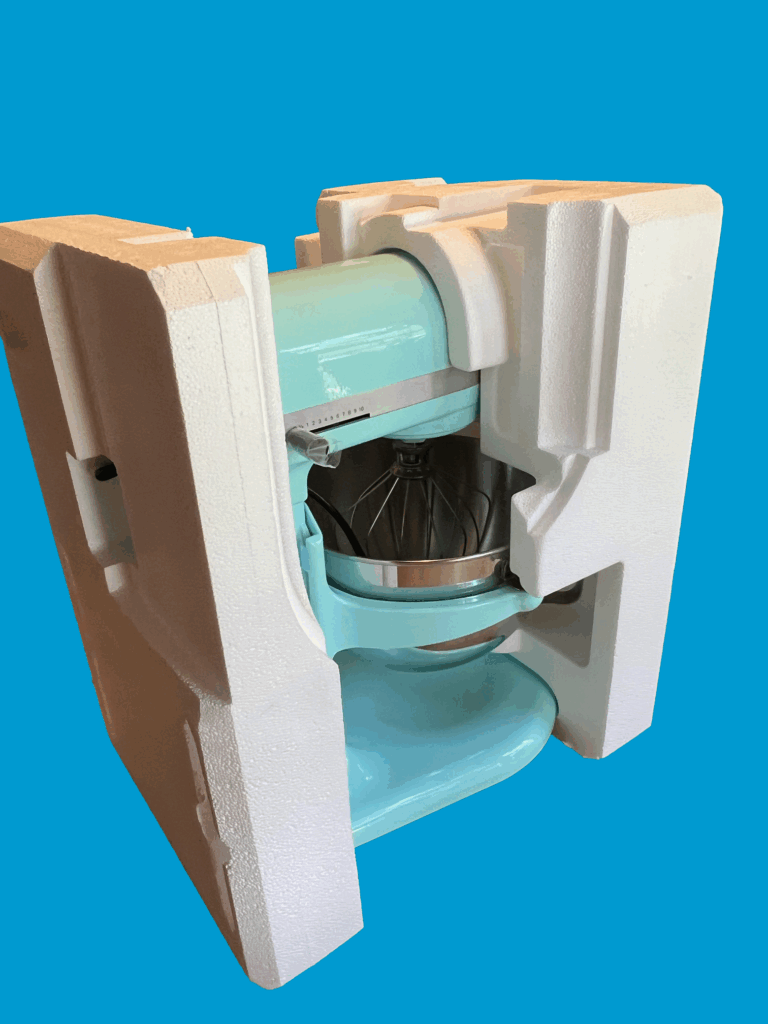
The issue with styrofoam packaging
EPS plastic foam packaging is not recycled at scale or compostable. It’s made from crude oil and fossil gas that drive climate change. EPS plastic foam is toxic across much of its life cycle – the chemical plants that supply its production emit three cancer-causing chemicals into the air: benzene, ethylbenzene, and styrene. Disposal of plastic foam can release petrochemicals and microplastics into the environment.
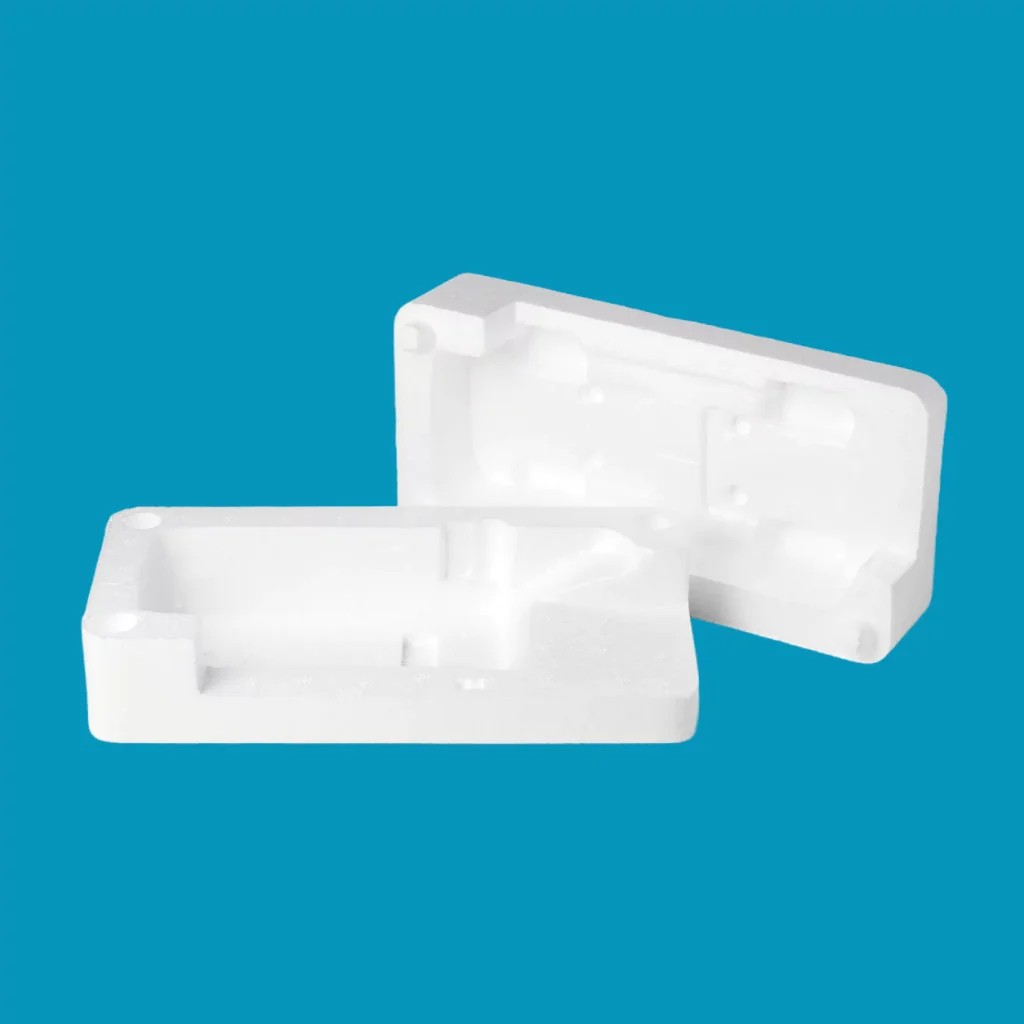
Foam’s Unjust, Toxic Lifecycle
The greatest use of benzene – a known human carcinogen that’s toxic to blood and immune systems – is for making polystyrene plastic. More than 60% of all styrene is used to make polystyrene plastic. The six styrene plants in Texas and Louisiana emitted more than 500,000 pounds of three carcinogens to the air in 2023. People of color and low-income residents make up a much higher percentage of the population who live within three miles of four of those chemical plants compared to the national average.
Safer, Sustainable Solutions
The good news? Safer alternatives to plastic foam are already widely available. Materials like molded fiber, corrugated cardboard, and bio-based foam work just as well for packaging in boxes. They aren’t made of oil and gas or petrochemicals. They are compostable or readily recyclable. Far fewer air emissions are associated with the production of these sustainable materials.
Explore Alternatives
Each of these solutions is safer and more sustainable across its lifecycle compared to expanded polystyrene (EPS) plastic foam. These EPS substitutes are all reusable, compostable, or recyclable at scale. They’re also effective – and available today.

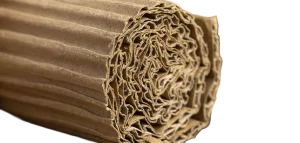
Corrugated Cardboard
Corrugated cardboard is made from wood pulp by inserting wavy layer of cardboard in between two flat paperboard layers. It provides cushioning and shock absorption during the shipping process. Over 80% of corrugated cardboard is recycled.

Molded Fiber
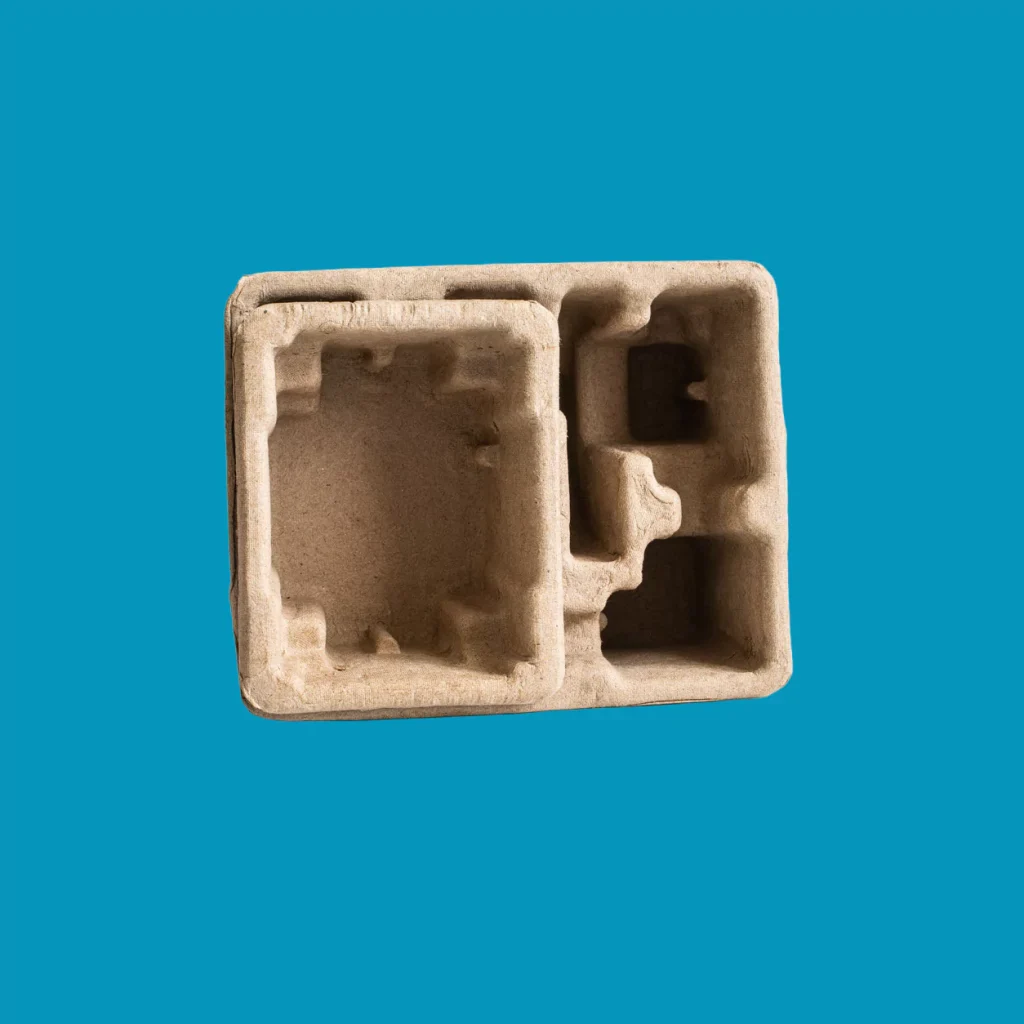
Molded fiber is typically made from recycled paperboard, newsprint or other wood pulp-based materials. It is then molded into a specific shape that can be engineered to meet most packaging needs. It is both recyclable and compostable.


Biobased Foam
Cruz Foam makes a biobased foam with 70% content from upcycled food industry waste. It also contains a biodegradable plastic that’s made from a mix of fossil and renewable carbon, It’s an effective drop-in foam substitute. It’s fully compostable.


Kraft Paper
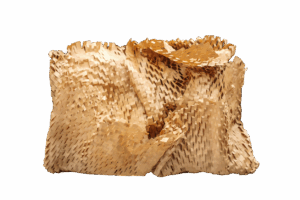
Strong brown paper can work well when crumpled up and stuffed in boxes. So can the honeycomb cushioning wrap made of slitted Kraft paper that holds air when bunched up. Look for FSC certified paper.

Re-Use
Gently-used goods can provide quality products at much lower prices and without all that packaging. Shop for your next small kitchen appliance at many online resale sites, Goodwill, or yard sales.
Starch Peanuts
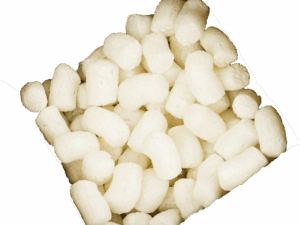
Replace those annoying styrofoam packing peanuts with widely available starch-based versions. They dissolve in water and are compostable. Starch peanuts can also replace some uses of EPS foam blocks.

Mushrooms!
Sustainable packaging is grown from mycelium, the threads of fungus that give fruit to mushrooms, combined with agricultural byproducts from farms. Naturally water resistant and biodegradable.